|
|
Existing concrete structures, like bridges, warehouses, parking garages, and other civil infrastructure, are in urgent need of rehabilitation or strengthening due to material deterioration, aging, increased service demands, and resulting deficiencies in load-carrying capacity. Over the past two decades, the application of advanced composite materials, particularly carbon fibre-reinforced polymers (CFRP), for the repair and strengthening of reinforced concrete structures has attracted considerable attention within the civil engineering community.
Numerous studies conducted to date on CFRP-strengthened concrete elements have primarily focused on their static performance and short-term structural response. However, the long-term behavior of strengthened members under sustained and variable loading conditions remains insufficiently understood. Since strengthened structures are expected to remain in service for decades, it is essential to assess the influence of time-dependent effects such as creep, fatigue, bond degradation, and environmental exposure on their structural performance.
In addition, the effectiveness of externally bonded CFRP systems is largely governed by the quality and durability of the bond between the strengthening material and the substrate. Therefore, a comprehensive understanding of bond mechanisms and failure processes is crucial for the reliable design of CFRP strengthening systems. Particular attention must be given to the influence of adhesive properties, bond length, and anchorage configurations on the load transfer mechanism and overall strengthening efficiency.
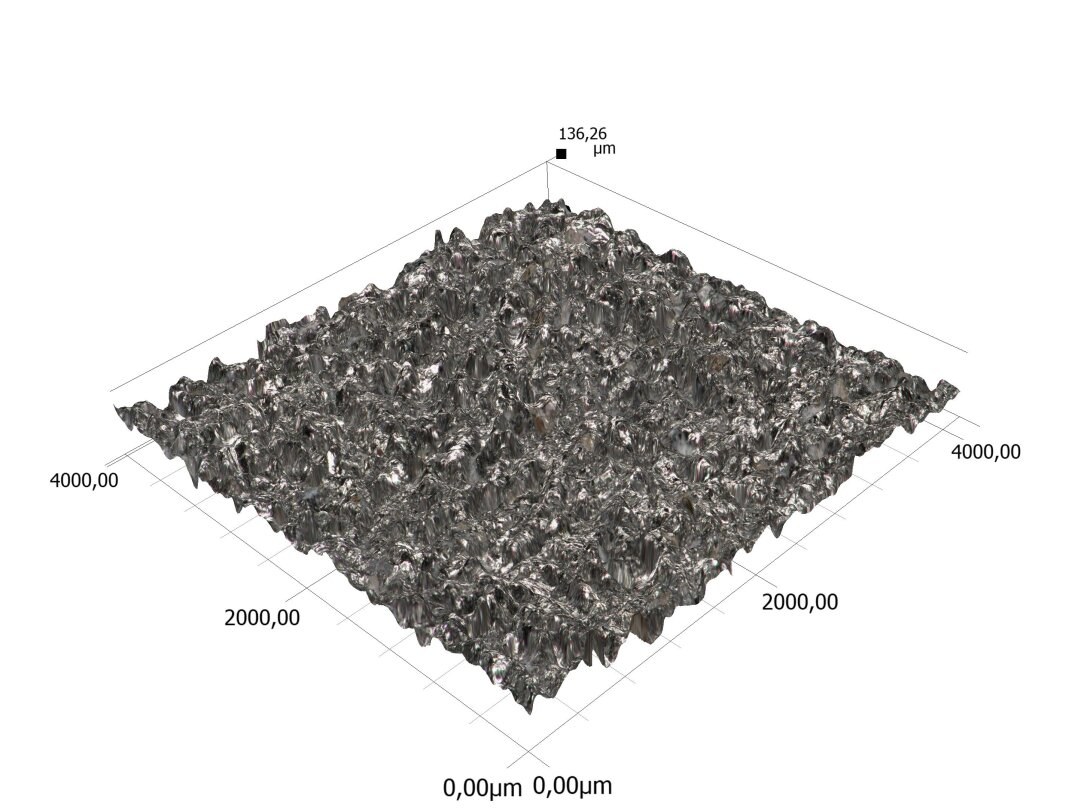
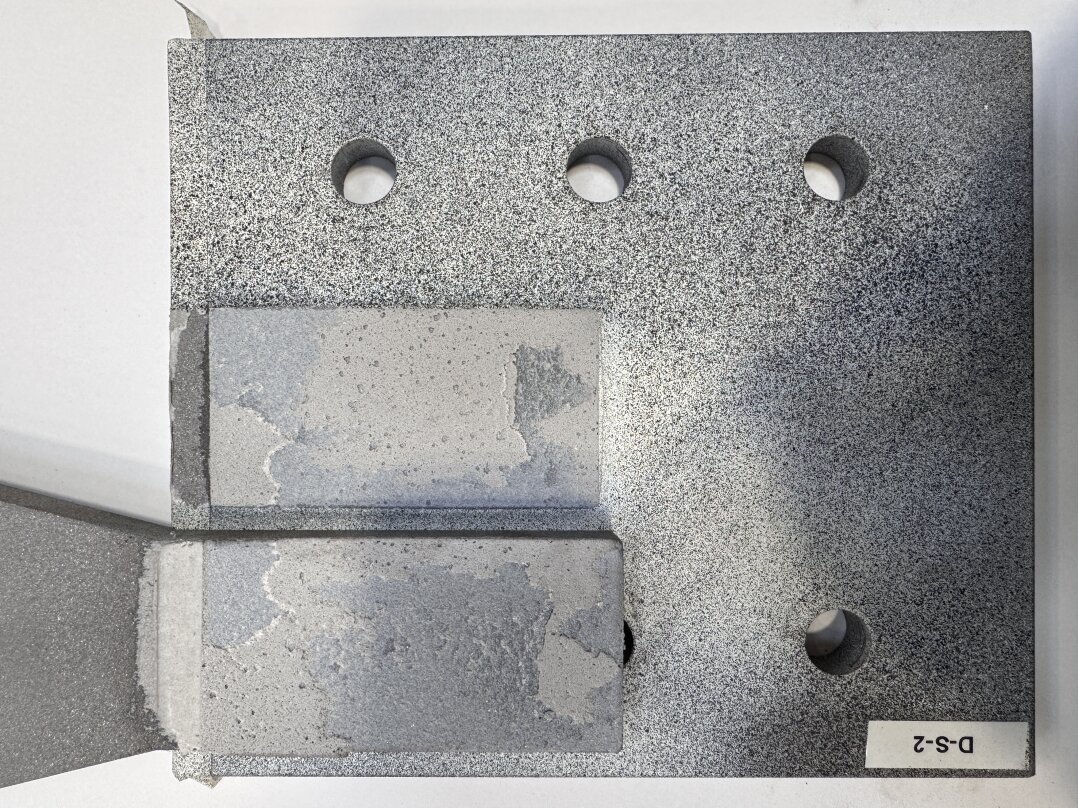
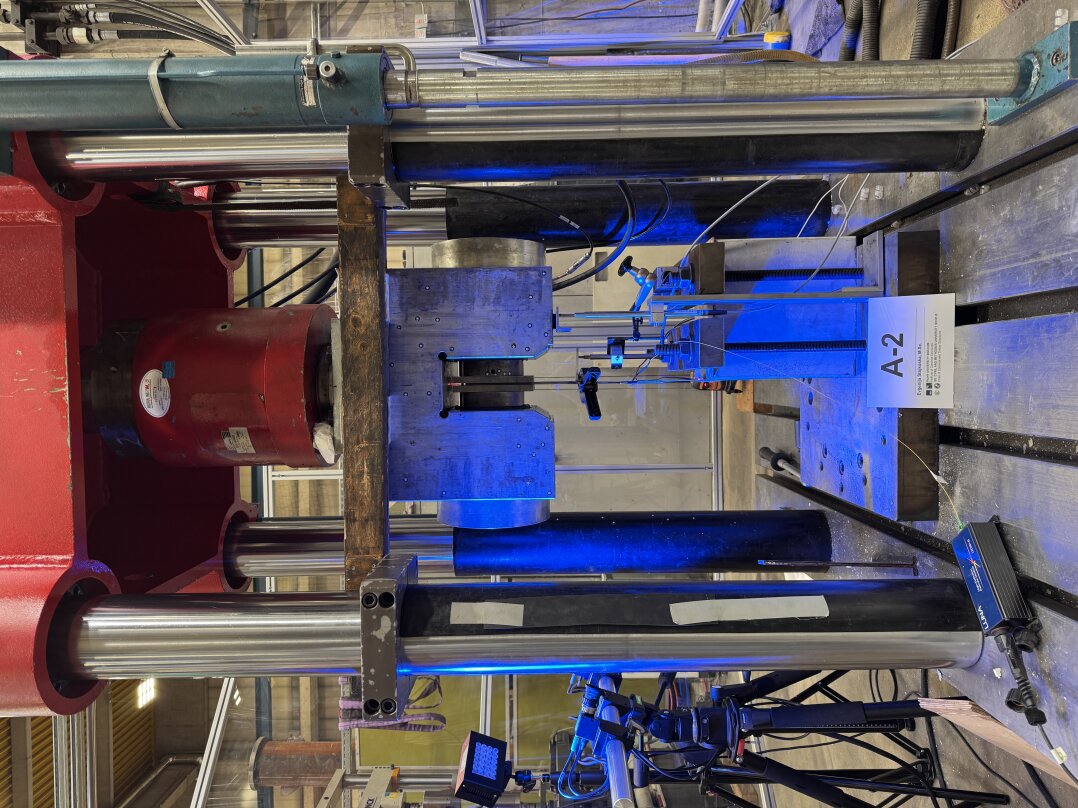
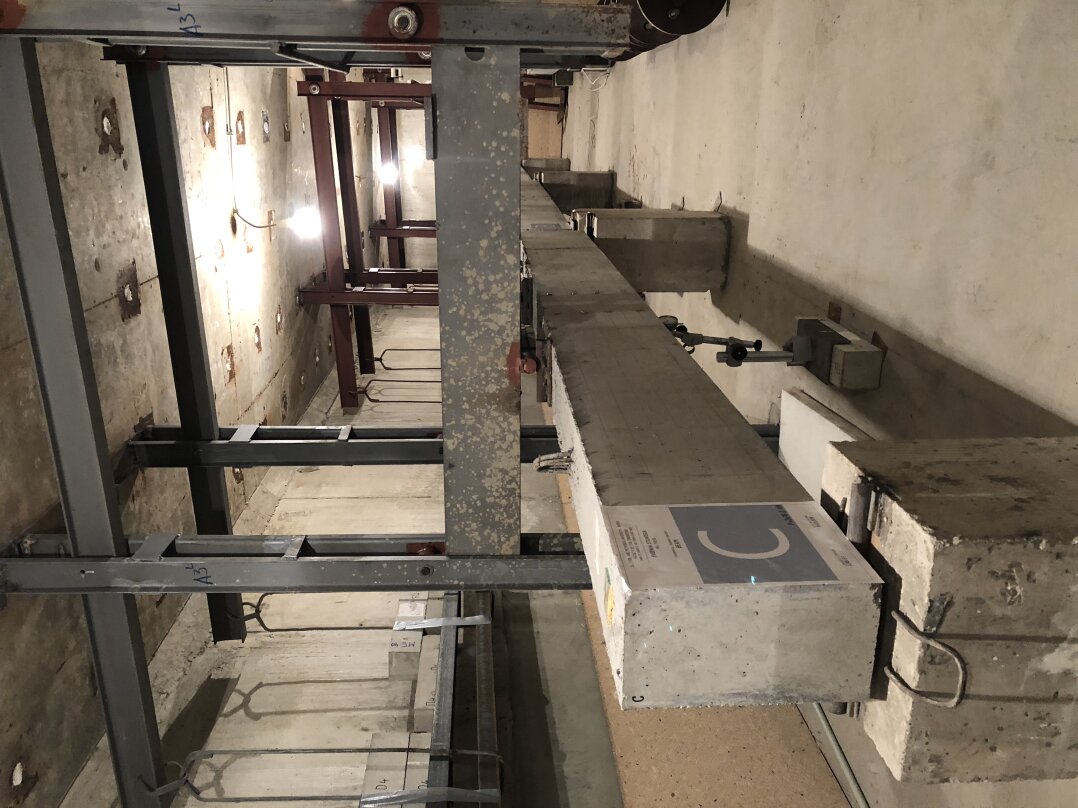
Therefore, this research project presents a multi-scale experimental investigation of CFRP-strengthened reinforced concrete elements, combining bond-level and structural-level studies. The experimental program includes the assessment of different adhesive systems (Fig1 and Fig.2), bond lengths and anchorage techniques (Fig.3), as well as the evaluation of the long-term behavior of strengthened reinforced concrete beams subjected to sustained and variable loading conditions (Fig.4). Special emphasis is placed on the evolution of bond performance, load-carrying capacity, stiffness, and failure mechanisms over time, contributing to a more reliable and durable application of CFRP strengthening systems in civil engineering practice.
Copyright © kib 2026
Last update: Aug 13, 2026